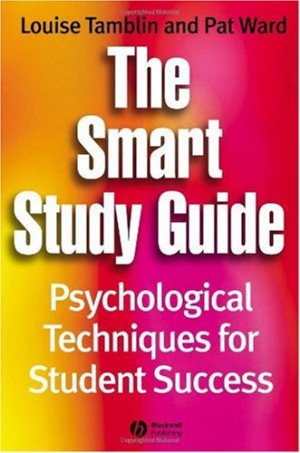
The Smart Study Guide: Psychological Techniques for Student Success
The Book Link is Given Below:
In today’s competitive academic environment, students are constantly seeking strategies to improve learning efficiency, retain information, and perform well in exams. One highly recommended resource for achieving these goals is The Smart Study Guide: Psychological Techniques for Student Success. This guide combines proven psychological principles with practical study techniques, enabling students to maximize their potential and achieve academic excellence.
Understanding the Importance of Psychological Techniques in Learning
Effective learning is not just about studying harder; it’s about studying smarter. The Smart Study Guide: Psychological Techniques for Student Success emphasizes the use of cognitive and behavioral strategies that enhance memory, focus, and motivation. These techniques are grounded in research from educational psychology, helping students understand how their brains work and how to leverage this knowledge for better academic performance.
Psychological techniques can help students overcome common challenges such as procrastination, stress, and information overload. By understanding concepts like spaced repetition, active recall, and goal setting, students can approach learning in a structured and efficient manner.
Key Principles of The Smart Study Guide
The Smart Study Guide: Psychological Techniques for Student Success is built around several core principles that help students excel academically:
- Active Engagement: Passive reading or rote memorization is less effective than actively engaging with material through summarization, questioning, and discussion.
- Spaced Learning: Reviewing information over spaced intervals enhances long-term retention, rather than cramming in a single session.
- Goal Setting and Motivation: Clearly defined goals help maintain focus and provide a sense of achievement as students progress.
- Stress Management: Techniques such as mindfulness, relaxation exercises, and positive self-talk reduce anxiety and improve concentration.
- Metacognition: Encouraging students to think about their own thinking improves problem-solving and learning strategies.
These principles collectively provide a roadmap for students seeking to enhance both their academic skills and psychological resilience.
Practical Techniques from The Smart Study Guide
The Smart Study Guide: Psychological Techniques for Student Success offers actionable techniques that students can integrate into their daily study routines:
- Active Recall: Testing oneself on material helps strengthen memory and identify gaps in knowledge.
- Mind Mapping: Visual representations of concepts improve comprehension and facilitate better organization of ideas.
- Pomodoro Technique: Breaking study sessions into focused intervals with short breaks enhances concentration and prevents burnout.
- Positive Reinforcement: Rewarding oneself for achieving small milestones boosts motivation and encourages consistent effort.
- Reflective Journaling: Writing reflections on what has been learned reinforces understanding and develops critical thinking skills.
By applying these techniques, students can make their study sessions more productive and meaningful, leading to improved academic performance.
Benefits of Using The Smart Study Guide
Incorporating strategies from The Smart Study Guide: Psychological Techniques for Student Success provides several advantages:
- Enhanced Retention and Recall: Psychological techniques improve memory retention, making exam preparation more effective.
- Improved Focus and Productivity: Structured study methods and time management strategies reduce distractions and increase efficiency.
- Reduced Academic Stress: Understanding how to manage anxiety and maintain motivation contributes to a healthier learning experience.
- Greater Academic Confidence: Consistent progress and mastery of techniques boost self-confidence and preparedness for assessments.
- Lifelong Learning Skills: The skills learned through these techniques are transferable and beneficial beyond academic settings.
These benefits demonstrate that the guide is not just a study manual but a comprehensive tool for student success.
Implementing Techniques in Everyday Study Life
To get the most out of The Smart Study Guide: Psychological Techniques for Student Success, students can adopt the following strategies:
- Plan Study Sessions in Advance: Create a timetable with specific goals and time slots for each subject.
- Mix Techniques: Combine methods like active recall, mind mapping, and spaced repetition for varied and effective learning.
- Monitor Progress: Track achievements and areas that need improvement, adjusting strategies accordingly.
- Stay Consistent: Apply techniques regularly to develop habits that lead to sustained academic success.
- Seek Feedback: Engage with teachers, mentors, or peers to refine learning strategies and gain new insights.
Following these strategies ensures that students leverage the full potential of the guide, leading to measurable improvements in their academic journey.
Conclusion
The Smart Study Guide: Psychological Techniques for Student Success provides students with scientifically backed strategies to enhance learning, retention, and overall academic performance. By integrating psychological principles into daily study routines, students can study smarter, reduce stress, and develop skills that last a lifetime.
Mastering these techniques is not only about excelling in exams but also about cultivating habits that foster critical thinking, resilience, and a proactive approach to learning. Students who apply the guidance offered in the Smart Study Guide position themselves for both immediate academic success and long-term personal growth.
Disclaimer: The content of this article is provided for educational and informational purposes only. PDF resources of The Smart Study Guide: Psychological Techniques for Student Success are intended for personal and educational use. All copyrights and intellectual property rights belong to their respective owners. No copyrighted material is distributed for commercial purposes via this website.
For More Books Vist Our Site
Comments (0)