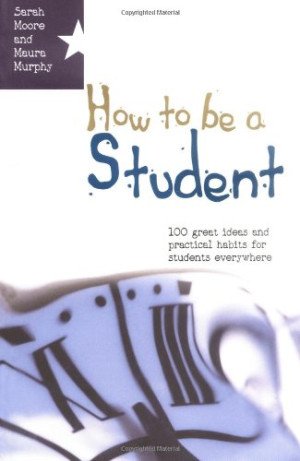
How to be a student
The Book Link is Given Below:
Being a student is more than just attending classes and completing assignments; it is about developing habits, skills, and mindsets that lead to academic success and personal growth. Understanding how to be a student effectively can make a significant difference in both performance and overall learning experience. This guide explores practical strategies for excelling in academics while maintaining a balanced and fulfilling student life.
Understanding the Role of a Student
To learn how to be a student effectively, it is important to recognize the multifaceted role of students in the educational process. Students are not only recipients of knowledge but also active participants who engage with teachers, peers, and learning resources. Academic success requires curiosity, discipline, and the willingness to take responsibility for one’s own learning.
An effective student understands that education is more than grades. It is about acquiring skills, critical thinking, and a deeper understanding of the world. This mindset helps students approach learning with purpose and motivation, laying a foundation for lifelong success.
Key Principles of How to Be a Student
There are several key principles that can guide students toward success:
- Time Management: Organizing study schedules, balancing extracurricular activities, and allocating time for rest ensures productivity and reduces stress.
- Active Participation: Engaging in class discussions, asking questions, and contributing to group projects enhances understanding and retention.
- Effective Note-Taking: Writing clear, structured notes helps in reviewing material and preparing for exams efficiently.
- Self-Discipline: Staying focused on tasks, avoiding procrastination, and meeting deadlines are essential traits of successful students.
- Curiosity and Critical Thinking: Asking “why” and seeking to understand concepts deeply fosters analytical skills and intellectual growth.
By following these principles, students can develop habits that make learning more effective and enjoyable.
Practical Strategies for Students
Learning how to be a student also involves implementing practical strategies in daily academic life. Some effective strategies include:
- Set Clear Goals: Defining short-term and long-term academic goals helps students stay motivated and track progress.
- Develop a Study Routine: Establishing a consistent study schedule creates discipline and ensures all subjects receive adequate attention.
- Use Learning Resources: Books, online tutorials, and PDF study materials provide additional insights and strengthen understanding.
- Seek Feedback: Asking teachers for feedback on assignments and performance helps identify areas for improvement.
- Stay Organized: Keeping notes, assignments, and study materials systematically organized saves time and reduces stress.
Implementing these strategies allows students to approach their studies with confidence and structure.
The Importance of Balance
While mastering academics is crucial, knowing how to be a student also means maintaining balance in life. Overemphasis on studies can lead to burnout, while neglecting academic responsibilities can affect performance. Successful students balance academics, social life, physical health, and hobbies. Participating in extracurricular activities, sports, and social interactions not only promotes overall well-being but also develops essential life skills such as teamwork, communication, and leadership.
Benefits of Being an Effective Student
Understanding and practicing how to be a student effectively provides several benefits:
- Improved Academic Performance: Organized study habits and active engagement lead to better grades and deeper learning.
- Enhanced Critical Thinking: Analytical approaches to problem-solving improve intellectual capabilities.
- Increased Confidence: Mastery of subjects and skills boosts self-esteem and academic confidence.
- Better Time Management: Effective planning allows students to balance multiple responsibilities efficiently.
- Preparation for Future Success: Skills learned as a student, such as discipline, responsibility, and collaboration, are essential for career and life success.
These benefits illustrate that learning how to be a student is not just about immediate academic achievements but also about personal growth and future readiness.
Challenges and How to Overcome Them
Students often face challenges such as procrastination, lack of motivation, or difficulty understanding complex concepts. Overcoming these challenges is part of learning how to be a student effectively. Strategies include:
- Breaking Tasks into Smaller Steps: Tackling assignments in manageable portions reduces overwhelm.
- Seeking Support: Teachers, peers, and tutors can provide guidance and encouragement.
- Maintaining a Positive Mindset: Staying resilient in the face of setbacks enhances learning and personal development.
- Using Study Tools: Online resources, educational apps, and PDF guides can supplement learning.
By addressing challenges proactively, students can maintain progress and achieve their academic goals.
Conclusion
Learning how to be a student involves a combination of discipline, engagement, and self-awareness. Effective students manage their time, participate actively, seek resources, and maintain a healthy balance between academics and personal life. By adopting these practices, students not only excel academically but also develop critical life skills that prepare them for the future.
Being a student is a journey of growth, discovery, and responsibility. Implementing the strategies outlined above ensures that students make the most of their educational experience, fostering both academic excellence and personal development.
Disclaimer: The content of this article is provided for educational and informational purposes only. PDF resources on how to be a student are intended for personal and educational use. All copyrights and intellectual property rights belong to their respective owners. No copyrighted material is distributed for commercial purposes via this website.
For More Books Vist Our Site
Comments (0)