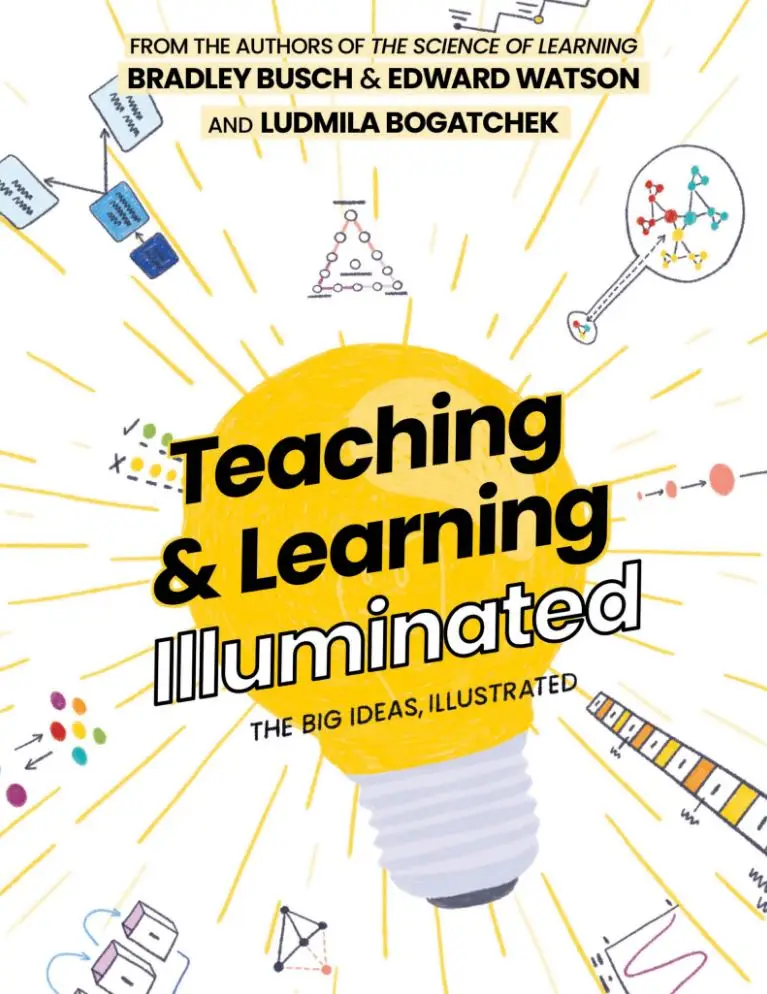
Teaching-Learning-Illuminated-
Book Link is Given Below:
Education has evolved significantly over the years, transitioning from rote memorization to more interactive, student-centered methods. One of the concepts gaining attention in contemporary pedagogy is Teaching-Learning-Illuminated. This approach emphasizes clarity, engagement, and deep understanding, aiming to transform the traditional classroom into a vibrant learning environment where students actively participate and teachers guide with insight.
Understanding Teaching-Learning-Illuminated
The term Teaching-Learning-Illuminated represents a holistic approach to education that focuses on making learning visible, meaningful, and impactful. Unlike conventional methods that prioritize content delivery, this approach emphasizes comprehension, application, and reflection. Students are not merely passive recipients of information; they are active participants who explore concepts, ask questions, and connect knowledge to real-world scenarios.
In Teaching-Learning-Illuminated, teaching is designed to shine a light on complex ideas, making them accessible and understandable. Learning is illuminated through interactive activities, multimedia tools, discussions, and collaborative projects. This method ensures that students grasp not just the “what” but also the “why” and “how” of the subject matter.
Key Features of Teaching-Learning-Illuminated
Teaching-Learning-Illuminated is characterized by several innovative features that distinguish it from traditional approaches:
- Interactive Learning: Classrooms become spaces for dialogue and exploration, where students participate actively rather than passively absorbing information.
- Use of Multimedia and Technology: Digital tools, presentations, and educational apps help illustrate concepts vividly, catering to different learning styles.
- Student-Centered Approach: Lessons are designed around students’ needs, interests, and prior knowledge, ensuring relevance and engagement.
- Critical Thinking and Problem Solving: Activities encourage students to analyze, evaluate, and create, fostering higher-order thinking skills.
- Feedback and Reflection: Continuous feedback allows students to recognize strengths and address weaknesses, promoting self-directed learning.
These features make Teaching-Learning-Illuminated a flexible and effective approach suitable for diverse learners and educational settings.
Benefits of Teaching-Learning-Illuminated
Implementing Teaching-Learning-Illuminated in classrooms offers numerous benefits for both students and educators:
- Enhanced Understanding: By focusing on clarity and engagement, students develop a deeper comprehension of concepts.
- Improved Retention: Interactive and meaningful learning experiences help students remember information longer.
- Active Participation: Students become more involved in the learning process, fostering motivation and curiosity.
- Skill Development: Beyond academic knowledge, this approach promotes critical thinking, creativity, and collaborative skills.
- Teacher Empowerment: Educators shift from being mere lecturers to facilitators and mentors, enriching the teaching experience.
These advantages demonstrate that Teaching-Learning-Illuminated is not only about academic success but also about developing lifelong skills and a love for learning.
Strategies for Effective Teaching-Learning-Illuminated
To maximize the benefits of Teaching-Learning-Illuminated, educators can adopt the following strategies:
- Incorporate Experiential Learning: Hands-on activities, experiments, and real-life projects make lessons tangible and memorable.
- Leverage Digital Resources: PDF books, online tutorials, and multimedia presentations can enhance understanding and accessibility.
- Foster Collaborative Learning: Group discussions, peer reviews, and teamwork encourage students to learn from one another.
- Use Formative Assessments: Regular, low-stakes assessments help track progress and guide instruction effectively.
- Encourage Reflection: Reflection activities allow students to think critically about what they learned and how it applies to other contexts.
These strategies create a dynamic learning environment where Teaching-Learning-Illuminated principles thrive.
Teaching-Learning-Illuminated in the Digital Era
The rise of technology has further enhanced Teaching-Learning-Illuminated. Online platforms, educational apps, and digital PDF resources allow teachers to deliver content creatively while offering students the flexibility to learn at their own pace. Multimedia elements, interactive exercises, and virtual collaboration make complex concepts easier to understand and retain.
Moreover, digital tools provide opportunities for personalized learning. Teachers can track individual progress, offer targeted support, and adapt lessons to meet diverse learning needs, ensuring that every student benefits from the illuminated approach.
Conclusion
Teaching-Learning-Illuminated is a modern, student-centered approach that transforms education into an engaging, interactive, and meaningful experience. By focusing on clarity, active participation, and real-world application, it helps students grasp complex concepts, develop essential skills, and cultivate a lifelong love for learning.
Whether in traditional classrooms, online platforms, or using PDF resources, Teaching-Learning-Illuminated equips educators with the tools to inspire, guide, and illuminate the path of knowledge for their students. This approach is more than a teaching methodology; it is a philosophy that places understanding, creativity, and engagement at the heart of education.
Disclaimer: The content of this article is provided for educational and informational purposes only. PDF resources on Teaching-Learning-Illuminated are intended for personal and educational use. All copyrights and intellectual property rights belong to their respective owners. No copyrighted material is distributed for commercial purposes via this website.
Comments (0)