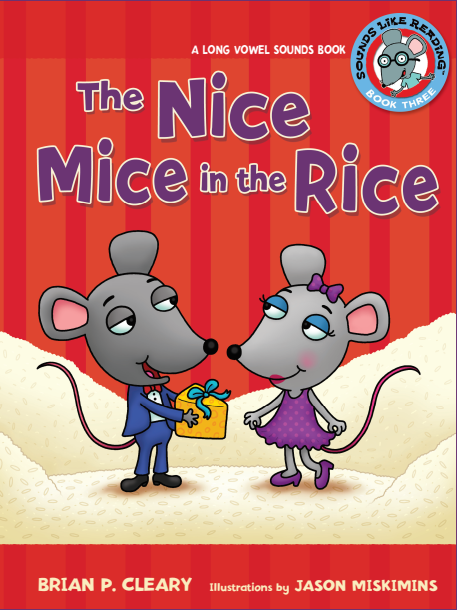
The nice mice in the rice a long vowel sounds b…
Books open doors to Book Link is Given Below:
Learning phonics and vowel sounds is an essential part of early literacy for young readers. Among the various resources available, The Nice Mice in the Rice: A Long Vowel Sounds B stands out as an engaging and effective tool for teaching children how to recognize and practice long vowel sounds in English. By combining storytelling, rhyme, and repetition, this book offers a playful approach that captures the attention of learners while reinforcing foundational reading skills.
Understanding Long Vowel Sounds
Long vowel sounds are those in which the vowel is pronounced the same way as its name, such as the “i” in “rice” or the “a” in “cake.” Mastering these sounds is crucial for reading fluency, spelling, and pronunciation. The Nice Mice in the Rice: A Long Vowel Sounds B focuses specifically on helping learners identify, pronounce, and use long vowel sounds in context. Through carefully constructed sentences and repetitive patterns, children gain confidence in recognizing these sounds in everyday reading.
How the Book Engages Young Readers
One of the most appealing aspects of The Nice Mice in the Rice: A Long Vowel Sounds B is its use of playful storytelling. The narrative follows a group of mice who live in a field of rice, encountering amusing adventures while emphasizing words with long vowel sounds. The rhythmic text, paired with whimsical illustrations, encourages children to read aloud, reinforcing phonemic awareness and auditory discrimination. This interactive approach makes learning enjoyable and memorable.
Repetition is a key feature in teaching phonics. By encountering the same long vowel patterns in multiple contexts throughout the story, learners develop automaticity and recognition skills. For example, the recurring use of words like “rice,” “mice,” and “nice” allows children to connect sound with spelling naturally.
Educational Benefits
The Nice Mice in the Rice: A Long Vowel Sounds B offers several educational advantages for both classroom and home learning environments:
- Phonics Reinforcement: The story helps learners differentiate between long and short vowel sounds, a critical step in reading development.
- Vocabulary Expansion: Children are introduced to new words in context, enhancing both comprehension and retention.
- Reading Fluency: Repetitive patterns and rhymes encourage smooth and confident reading aloud.
- Spelling Skills: Exposure to word families and vowel patterns strengthens spelling and writing abilities.
- Engagement and Motivation: The fun and whimsical narrative keeps children motivated and eager to read.
By integrating learning with an enjoyable story, this book makes phonics practice feel like play, which is highly effective for early learners.
Tips for Using the Book Effectively
To maximize the benefits of The Nice Mice in the Rice: A Long Vowel Sounds B, educators and parents can adopt several strategies:
- Read Aloud Together: Encourage children to follow along and repeat key words to reinforce long vowel sounds.
- Highlight Patterns: Use markers or finger tracing to emphasize the long vowel sounds in words like “rice,” “mice,” and “nice.”
- Create Word Families: After reading, make a list of similar words with the same long vowel sound to expand vocabulary.
- Interactive Activities: Engage learners with games such as “find the rhyme” or “match the sound” to make practice interactive.
- Story Retelling: Have children retell the story in their own words, reinforcing comprehension and language use.
These strategies ensure that children not only enjoy the story but also internalize key phonics skills effectively.
Classroom and Home Applications
The Nice Mice in the Rice: A Long Vowel Sounds B is suitable for both classroom and home learning. In classrooms, teachers can use the book as part of a phonics lesson, integrating it with flashcards, worksheets, and interactive activities. Small group reading sessions allow children to practice reading aloud while receiving immediate feedback.
At home, parents can use the book for shared reading sessions, combining storytelling with phonics practice. This approach creates a supportive learning environment where children can develop confidence in their reading skills. The whimsical illustrations and engaging narrative also make it an enjoyable bedtime or independent reading activity.
Conclusion
The Nice Mice in the Rice: A Long Vowel Sounds B is more than just a story about playful mice—it is a valuable educational resource that makes learning long vowel sounds fun and effective. Through engaging narratives, repetition, and interactive activities, children can strengthen their phonics skills, enhance vocabulary, and build reading fluency in a natural and enjoyable way.
For educators and parents, incorporating this book into reading routines provides a powerful tool to support early literacy development. By blending storytelling with phonics instruction, The Nice Mice in the Rice: A Long Vowel Sounds B transforms learning into a delightful and meaningful experience for young learners.
Disclaimer: The content of this article is provided for educational and informational purposes only. PDF resources of The Nice Mice in the Rice: A Long Vowel Sounds B are intended for personal and educational use. All copyrights and intellectual property rights belong to their respective owners. No copyrighted material is distributed for commercial purposes via this website.
Comments (0)