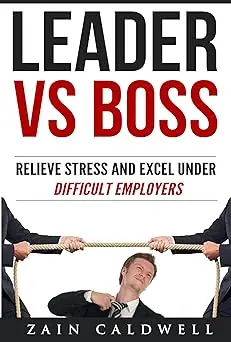
boss vs leader
Book Link is Given Below:
In the world of management and organizational growth, the terms boss and leader are often used interchangeably. However, understanding the fundamental differences between a boss and a leader is crucial for anyone aspiring to create a positive work environment, drive team performance, and foster long-term success. While both roles involve guiding others, the methods, mindset, and impact on employees differ significantly.
Defining a Boss and a Leader
A boss is typically someone who holds a position of authority. They direct tasks, enforce rules, and expect employees to follow instructions. The focus of a boss is often on results, productivity, and maintaining control. While bosses can achieve short-term goals through compliance, they may struggle to inspire loyalty or cultivate a motivated team.
On the other hand, a leader motivates and empowers their team. Leaders focus not only on achieving results but also on nurturing talent, fostering collaboration, and creating a shared vision. Leadership is about influence rather than authority. By inspiring trust and commitment, leaders can build resilient teams capable of sustained success.
Key Differences Between a Boss and a Leader
Understanding the contrast between a boss vs leader can help organizations identify what qualities to cultivate for better workplace dynamics. Some key differences include:
- Decision-Making Approach:
A boss often makes decisions unilaterally and expects immediate compliance. Leaders, however, involve their team in the decision-making process, valuing input and fostering a sense of ownership among employees. - Communication Style:
Bosses tend to give orders and focus on instructions. Leaders communicate openly, actively listen, and provide constructive feedback. This encourages transparency and strengthens relationships within the team. - Motivation and Influence:
A boss may rely on authority, rules, and sometimes fear to ensure productivity. Leaders inspire through vision, encouragement, and support, motivating employees to excel out of commitment rather than obligation. - Focus on People vs Tasks:
Bosses often prioritize tasks and deadlines, sometimes at the expense of employee well-being. Leaders recognize the importance of people, understanding that motivated and satisfied employees are more productive and loyal. - Conflict Management:
When faced with conflicts, bosses may impose solutions without considering underlying issues. Leaders aim to mediate, resolve problems collaboratively, and maintain a positive work culture.
Why the Boss vs Leader Distinction Matters
The difference between a boss vs leader can dramatically affect organizational performance. Teams led by leaders tend to be more innovative, cohesive, and engaged. Employees feel valued, which reduces turnover and increases job satisfaction. Conversely, workplaces dominated by bosses may see higher stress levels, low morale, and limited creativity.
Moreover, in today’s rapidly evolving business environment, leadership is more valuable than traditional management. Companies require adaptable, empathetic leaders who can guide teams through change and inspire continuous growth. The boss-style approach may achieve immediate results but is less effective in sustaining long-term success.
Transforming from a Boss to a Leader
For individuals in management roles, transitioning from a boss to a leader is both possible and rewarding. Key strategies include:
- Practice Empathy: Understand team members’ perspectives, needs, and challenges. Showing empathy builds trust and strengthens relationships.
- Encourage Collaboration: Promote teamwork by including employees in discussions, brainstorming sessions, and decision-making processes.
- Develop Communication Skills: Focus on active listening, constructive feedback, and open dialogue. Effective communication fosters clarity and motivation.
- Lead by Example: Demonstrate integrity, work ethic, and commitment. Leaders earn respect through actions, not just words.
- Invest in Growth: Provide opportunities for skill development, mentoring, and career advancement. A true leader invests in the success of their team.
Conclusion
The distinction between a boss vs leader is more than semantics—it defines the culture, efficiency, and morale of an organization. While a boss relies on authority to achieve compliance, a leader uses influence to inspire and empower. Understanding this difference allows professionals to cultivate leadership qualities, create supportive work environments, and achieve long-term success.
Whether you are an aspiring manager or a business owner, embracing the principles of leadership over traditional boss-style management can transform both your team’s performance and overall workplace satisfaction.
Disclaimer: This content is for educational and informational purposes only. PDF resources related to boss vs leader are intended solely for personal and educational use. All copyrights and intellectual property rights belong to their respective owners. No copyrighted material is distributed for commercial purposes via this website.
Comments (0)