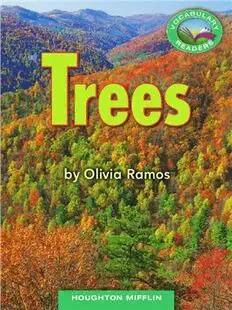
Book Link is Given Below:
Trees are among the most magnificent and essential living organisms on Earth. They provide oxygen, enhance biodiversity, stabilize ecosystems, and offer countless benefits to humans and wildlife alike. The book TREES delves into the science, beauty, and significance of these natural wonders, making it an invaluable resource for students, nature enthusiasts, and anyone interested in understanding the vital role trees play in sustaining life on our planet.
The Importance of Trees
TREES are more than just plants; they are the lungs of the Earth. Through the process of photosynthesis, trees absorb carbon dioxide and release oxygen, which is crucial for all living beings. One mature tree can produce enough oxygen to support two human beings annually. Moreover, trees act as carbon sinks, mitigating the effects of climate change by absorbing greenhouse gases from the atmosphere.
Beyond environmental benefits, trees offer economic and social value. They provide timber, fruits, and medicinal resources, while urban trees enhance property values and contribute to mental health by creating serene environments. In essence, TREES are indispensable for both ecological balance and human well-being.
Types of Trees
Understanding the diversity of trees is essential for appreciating their ecological roles. Broadly, trees can be categorized into two types: deciduous and evergreen.
- Deciduous Trees: These trees shed their leaves annually. Examples include oak, maple, and birch. They are known for their seasonal beauty and their role in enriching soil fertility through leaf litter.
- Evergreen Trees: These retain their foliage throughout the year. Pine, cedar, and fir are prime examples. Evergreen trees provide year-round shelter for wildlife and contribute to continuous carbon absorption.
The book TREES provides detailed descriptions of various species, their habitats, and unique characteristics, helping readers develop a deeper connection with nature.
Ecological Benefits of Trees
Trees play a pivotal role in maintaining ecological balance. They prevent soil erosion, regulate the water cycle, and provide habitats for countless species of birds, insects, and mammals. Urban forests, parks, and green belts improve air quality by filtering pollutants and reducing noise pollution. The presence of trees also helps in temperature regulation, creating cooler microclimates during hot seasons.
Forests, composed primarily of trees, are essential for sustaining life. They act as carbon reservoirs, host biodiversity hotspots, and support countless ecological processes that maintain planetary health. By studying TREES, readers gain insight into the intricate connections between trees, ecosystems, and human survival.
Trees and Human Life
Humans have relied on trees for thousands of years. From construction materials and fuel to food and medicine, trees have shaped civilizations. For instance, the medicinal properties of the willow tree led to the discovery of aspirin, and bamboo has been a cornerstone for sustainable building practices in many cultures.
Furthermore, trees hold cultural, spiritual, and recreational significance. They are symbols in literature, art, and folklore, representing wisdom, resilience, and life. Many communities celebrate tree-planting festivals to honor these silent guardians of nature. By exploring the book TREES, readers learn about the cultural, economic, and environmental significance of trees across different regions and eras.
Threats to Trees
Despite their importance, trees face numerous threats. Deforestation, urbanization, climate change, and illegal logging have severely impacted global forest cover. Habitat destruction not only reduces biodiversity but also contributes to soil degradation and extreme weather events.
Conservation efforts are critical to ensuring the survival of trees. Reforestation, sustainable forestry, and community-led conservation programs have shown significant success. TREES emphasizes the need for global awareness, education, and collective action to protect these invaluable resources for future generations.
How to Protect Trees
Protecting trees requires both individual and community efforts. Planting native species, reducing paper and wood waste, supporting conservation organizations, and promoting awareness about the ecological importance of trees are some actionable steps. Urban planning should also prioritize green spaces to enhance environmental quality and promote sustainable living.
Educational resources, such as the book TREES, empower readers with knowledge about tree species, their ecological roles, and practical ways to protect them. Understanding these aspects fosters a sense of responsibility and encourages proactive engagement in environmental stewardship.
Conclusion
TREES are vital to life on Earth. They provide oxygen, support biodiversity, combat climate change, and enrich human life culturally, economically, and spiritually. By studying trees and recognizing their significance, individuals can contribute to a healthier planet and a more sustainable future. The book TREES serves as an essential guide for anyone who wants to explore, appreciate, and protect these remarkable organisms.
Trees are not merely part of the landscape—they are life itself. By nurturing and preserving them, we ensure that future generations can continue to enjoy their immense benefits, from fresh air and shade to ecological balance and natural beauty.
Disclaimer: This content is for educational and informational purposes only. PDF resources of TREES are intended solely for personal and educational use. All copyrights and intellectual property rights belong to their respective owners. No copyrighted material is distributed for commercial purposes via this website.
✅ Features:
Comments (0)